


 A DUI conviction can be a serious obstacle in many ways, many of which you may not have considered. If you currently hold or are applying for a security clearance, a DUI can potentially limit your future goals, whether that includes working for the federal government, a defense contractor, or any of the many other clearance-requiring employers. A single DUI conviction can raise red flags about your reliability, judgment, and trustworthiness.
The stakes can be particularly high in Maryland, where many residents are employed in or around the D.C. metro area in jobs that are clearance sensitive. It is important to understand how a DUI could potentially impact your ability to obtain or maintain a security clearance. An experienced Baltimore, MD DUI attorney will explore every possible defense on your behalf, working aggressively to prevent you from dealing with future fallout from a DUI conviction.
 Almost all people have narcissistic traits. Healthy adults can benefit from a normal amount of narcissism that allows them to take pride in their accomplishments. Most teenagers display narcissistic traits, which are considered a normal part of development and growth. Narcissistic personality disorder is not the same as having a few narcissistic traits; about one in 200 people has narcissistic personality disorder, and about 75 percent of those are men.
There is no hard evidence regarding the causes of NPD, although some theories include a combination of genetic predispositions and early childhood experiences like being raised by parents who lack empathy and/or provide excessive praise. An overly sensitive temperament is usually present at birth and can be an indicator of a narcissistic personality later on. While divorce seems to bring out the worst in many people, for those married to a narcissist, a divorce can feel like pure torture.
 The average federal student loan debt balance is almost $40,000; when private loan debt is included, that number can be much higher. The average public university student borrows almost $32,000 just to obtain a bachelor’s degree. As of May 2020, about 9 percent of all student loan borrowers who attended public institutions were behind on their student loan payments.
Most divorcing couples are concerned about how the marital assets will be divided. Couples with student loans could be equally concerned about how marital debt will be divided and whether student loans for one spouse actually are marital debt.
The division of student loan debt during divorce can significantly shape the financial futures of both spouses. If you are anxious about whether you will be partially responsible for your spouse’s student loan debt, it is time to speak to an experienced Gaithersburg, MD divorce attorney.
Big changes to Child Custody in Maryland are coming!
Governor Wes Moore just implemented House Bill 1911, which will allow the Courts much more latitude in getting child custody cases right. Why does this matter? It matters because this Bill gives the Courts greater authority, which means overall fairness in determining custody. The factors the Court can now consider include: the child’s physical and emotional needs, stability, relationships with parents and siblings, parental communication and cooperation, the impact of conflict, and the child’s preference (if appropriate).
Courts must now explain their reasoning, either on the record or in writing, ensuring families understand how decisions are made.
So, for those of you dealing with parental alienation, parental gatekeeping, parents keeping children away from the other parent, and parents who play games, this new Bill should help because it allows the Courts to consider a vast scope of things when determining custody. I have attached the Bill, below.
 The most common reasons for divorce are generally expressed as lack of commitment, infidelity, too much conflict, financial issues, and lack of physical intimacy. The least-cited reason for divorce is a lack of shared interests. Divorce can be emotional, complex, and challenging – and that is just for starters. Understanding what to expect when your divorce ends up in court can help you deal with the process a bit better.
Litigation is the term used for legal action between two spouses who disagree about certain issues in the divorce. Litigation is necessary when the two spouses cannot come to a mutual agreement, and it can be intimidating for those who have never stepped inside a courtroom. It can be extremely helpful to have a knowledgeable Gaithersburg, MD divorce attorney who can guide you through the litigation process.
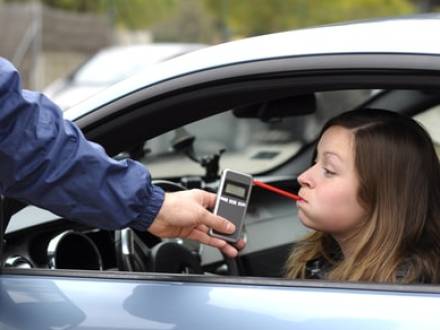 Alcohol affects different people in different ways, and the effect may depend on whether the person has eaten, how often he or she drinks alcohol, and the time of day the alcohol is consumed. Although only 11 percent of the adult population is made up of males between the ages of 21 and 34, this group is responsible for almost a third of all drunk-driving arrests. Overall, about 81 percent of all those arrested for DUI are male, and 19 percent are female. Every state except Utah has a 0.08 percent BAC threshold for arrest, which is equal to approximately four beers.
That being said, you can be arrested for DUI with a BAC under this limit if the police officer believes you are showing signs of intoxication, including failing field sobriety tests. Women who are arrested for DUI are often at a distinct disadvantage since the tests used to determine impairment are based on the physical makeup of men. If you have been arrested for DUI, it is extremely important that you speak to an experienced Baltimore, MD DUI attorney as quickly as possible.
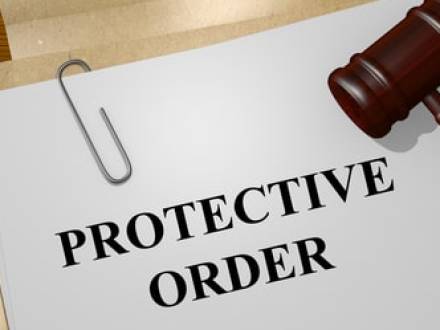 Between January and August 2022, 311 protective orders were issued in the state of Maryland, and 344 were issued between January and August 2023. The category contributing to the largest percentage of this increase involved claims of stalking. While the terms peace order and protective order are often used interchangeably, they are not the same, even though they are both civil orders issued by a judge.
Many people still think of these types of orders as "restraining orders," although that is no longer the terminology in Maryland. Those seeking a protective order or peace order may only qualify for one or the other, but not both. If you are unsure whether you need a protective or peace order, speaking to an experienced Gaithersburg, MD family law attorney can be beneficial.
Father’s Rights during Divorce and Custody cases in Maryland
When you think of the custody of children, many people assume (wrongfully) that a mother has a superior right to custody because she is the mother and/or she birthed the child. Nothing could be less true! While in the past, custody and visitation rights heavily favored towards mothers, legal perspectives have finally evolved, recognizing that fathers play an essential and irreplaceable role in the upbringing of their children. The Court looks at the child’s best interests, considering factors such as emotional ties, stability, and the capacity of each parent to provide for the child’s needs.
Our courts recognize that both parents have valuable contributions to make in a child’s life. This approach is laid out in various statutes and case law precedents that guide custody and visitation decisions.
What are fathers’ rights to custody and visitation?
Fathers in Maryland are entitled to equal consideration when it comes to custody and visitation. The courts do not favor mothers over fathers by default. In fact, the United States Constitution itself gives parents the Constitutional right to parent their own children. Fathers seeking custody must demonstrate their involvement in their child’s life, their ability to provide a stable environment, and their commitment to the child’s well-being. But, just because you’re a father does NOT mean you aren’t entitled to equal parenting time with your child.
 One of the questions I get asked most often is whether a spouse whose significant other "cheated" on them can benefit financially from that spouse’s behavior. The answer is, "It’s possible."
On October 1, 2023, Maryland became a no-fault divorce State. As such, adultery has been eliminated as a ground for seeking a divorce. In other words, Maryland changed to a "no fault" divorce State, which is in line with most other States. Divorce can be requested and granted for the following reasons/grounds:
Irreconcilable differences
The couple has lived apart for at least six months or
Even though adultery is no longer a reason/ground for divorce, adultery can — and will — still be a valid consideration in Maryland divorce proceedings. This is because Maryland divorce courts are still required to take into account the "reasons for the estrangement" of the couple when making decisions about alimony and division of property. That’s what "sitting as a Court of Equity" literally means.
 Maryland’s Highway Safety Office reported that alcohol-impaired drivers contribute to about 35 percent of all fatal auto crashes across the state. The FY2024 report from Zero Deaths Maryland identified repeat DUI offenders as a "persistent issue." While no one is in favor of impaired drivers on Maryland’s roadways, there are times when an over-zealous officer charges a person who was not actually impaired with DUI.
Being charged with a DUI has many repercussions, both legal and otherwise. In addition to potential jail time, high fines, and the suspension of the offender’s driver’s license, collateral consequences can include the loss of a job, the inability to secure employment, prohibitively high insurance rates, and social stigma from family, friends, and neighbors.
 The use of the Internet or this form for communication with the firm or any individual member of the firm does not establish an attorney-client relationship. Confidential or time-sensitive information should not be sent through this form.
I have read and understand the Disclaimer and Privacy Policy.

6110 Executive Blvd, Suite 1050
Rockville, MD 20852


From our office in Rockville, Maryland, we serve clients throughout Montgomery County and the surrounding areas, including Ellicott City, Columbia, Frederick, Clarksburg, Germantown, Silver Spring, Chevy Chase, Olney, Bethesda, Gaithersburg, Potomac, Baltimore, Baltimore County, Prince George's County, Frederick County, Howard County, Charles County, Anne Arundel County, Kent County, Caroline County, and Washington County.
Results listed are not a guarantee or indication of future case results.

